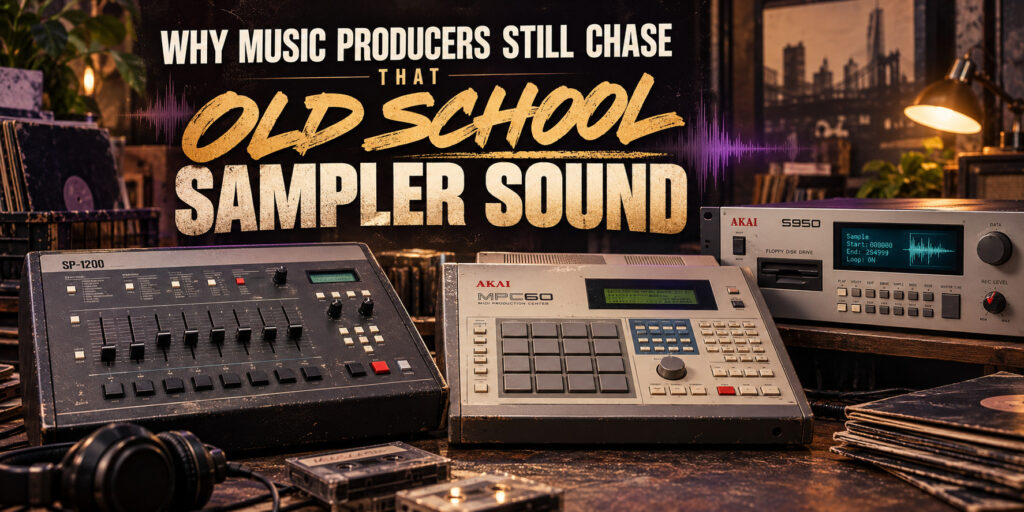
There’s a reason music producers still talk about hardware samplers like the E-mu SP-1200, Akai MPC60, and S950 decades after their release. These machines didn’t deliver perfect audio. They had limited memory, lower sample rates, and workflows that made you think before you pressed record.
Funny enough, those shortcomings helped create some unforgettable records.
The Sound Wasn’t Supposed to Be Perfect
The original SP-1200 recorded at 12 bit resolution and a 26.04 kHz sample rate. Those specs affected the sound, especially when you changed the pitch.
High frequencies could become rough, and certain notes developed crunchy digital artifacts.
The MPC60 had its own 12-bit character; its converters, filters, and playback methods all contributed to that personality.
Why Every Vintage Sampler Has Its Own Sound
2 samplers can record at the same bit depth and still make the same drum break sound completely different
The SP-1200 is famous for its gritty drums and the way samples change when you pitch them down. It’s crunchy texture is part of its appeal.
The MPC60 also records at 12 bit, but its 40 kHz sampling rate gives it a different character. It’s pads and sequencer became just as important as the sound.
Then there’s the Akai S950. It’s a rack sampler with variable sampling rates up to 48 kHz, filters, and time stretching. You can use it to reshape breaks, basslines, and chopped melodies.
All 3 machines have limitations, but they don’t sound or work exactly alike. That’s why recreating an old school sampler sound starts with understanding which character you want to go after.
Limitations Changed How Producers Worked
Imagine having only 10 seconds of total sampling time. That’s what the original SP-1200 offered.
You couldn’t casually load a hundred drum breaks and audition them all afternoon. Every second mattered.
One popular technique was sampling a record at a faster speed, then pitching it down inside the sampler. That saved memory and changed the audio’s texture.
Producers also chopped samples tightly, reused sounds, and built entire grooves from a handful of hits.
The sound came partly from the circuitry, but the decisions mattered just as much.
Behringer, Akai, and the New Sampler Competition
No one expected this, but Behringer recently showed off its SP1200X, its take on the E-mu sampler, with a target price of around $200.
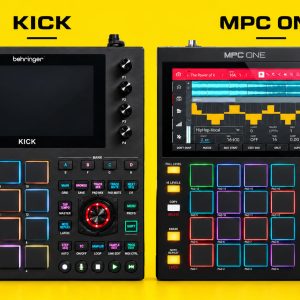
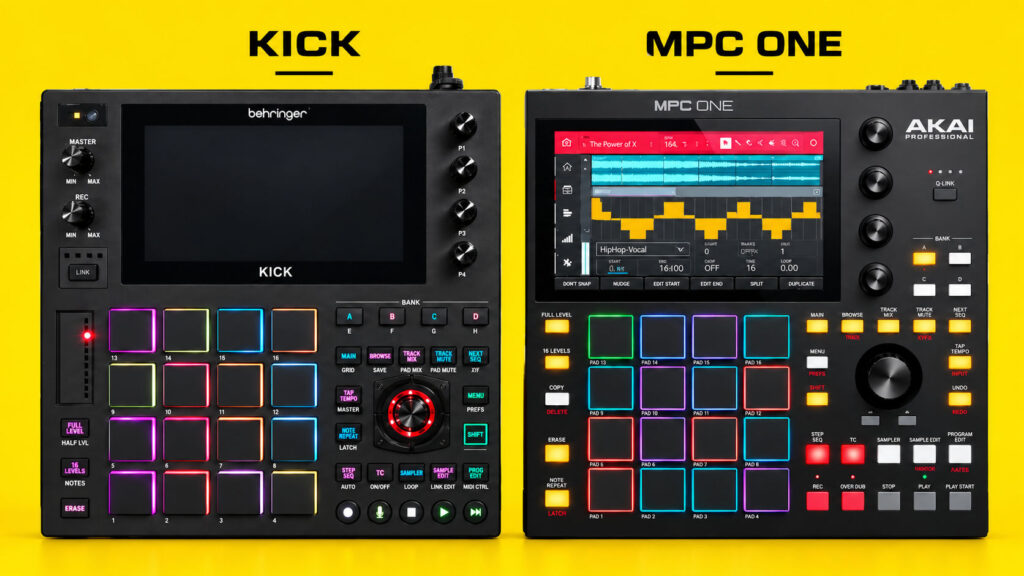
The company also revealed the KICK, a pad based sampler that looks very similar to Akai’s MPC One.

Those prices sound crazy compared to what vintage samplers cost today. However, both products are still in development, with no confirmed release dates.
Meanwhile, Akai has also been showing off the upcoming MPC Sample Key, a keyboard based sampler that lets producers play samples across keys. Developers have already demonstrated custom synthesizers and sound engines built with Claude AI.
Could Open Source Firmware Change Music Production?
Behringer has published source code for the KICK, while Akai has discussed opening up software and giving developers access to development kits.
This is where open source firmware and vibe coding come in.
Imagine telling an AI assistant you want a new sample chopping feature or a custom effect for your sampler. Instead of waiting for a manufacturer to add it, developers could potentially create it themselves.
Of course, there’s a difference between generating code and getting that code to work properly on hardware.
Bugs, compatibility issues, and stability are real concerns.
Still, the idea of producers piecing together their own hardware features is pretty is huge when you think about it.
Try That Character Inside Your DAW
You don’t need an expensive vintage sampler to experiment with those ideas.
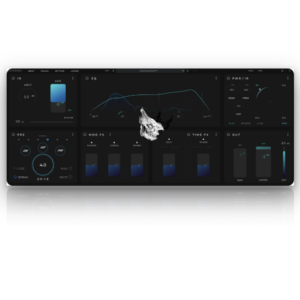
SampleX by BEATSKILLZ lets you adjust sample rate, bit depth, aliasing, drive, and filtering. It’s designed to recreate the gritty character of older sampling hardware, with control over how much color you add.
Lower bit depth can roughen snares and add grit, while reducing the sample rate changes the texture. Its Shift control adds aliasing, and input drive can make drums more aggressive. Blend the processed and original signals.
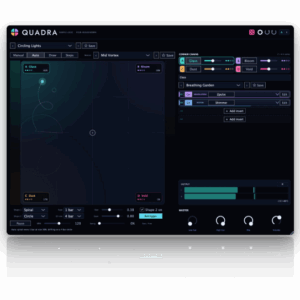
Another great option is Speedrum BE by Apisonic Labs. Its 16 pad layout, built in bitcrusher, and included drum kits make it useful for building rhythms and adding rougher textures.
Load kicks and snares onto the pads, then adjust pitch, filters, and envelopes. Build a small kit from your own samples to recreate that hardware workflow.
Tip: Try processing 1 drum break instead of your entire mix. Lower the sample rate, add a little drive, and compare it to the original version.
Sometimes a small change is enough.
Hardware or Plugins: Does It Really Matter?
Some producers love having a physical machine in front of them.
There’s something satisfying about tapping pads, turning knobs, and chopping samples without constantly reaching for a mouse.
That hands on workflow can influence how you create music.
Plugins offer a different set of advantages.
You can open multiple instances, save settings with your DAW session, and experiment with effects without buying additional hardware.
You also don’t need to spend thousands of dollars to get close to the sound of an old sampler.
Neither option automatically produces better music.
A vintage sampler won’t fix a boring drum pattern, and a bitcrusher won’t magically make your beats sound like they came from 1992.
Your ears and your production decisions are still the most important parts of the process.
Don’t Forget the Actual Groove
You can buy every vintage emulation available, but if you really want that feel, you also have to think about the overall groove.
Pay attention to sample selection, swing, and how your drums interact. A slightly late snare or shorter kick can change a drum pattern’s whole feel.
Set limits. Try making a beat with eight samples.
New to Audio Plugin Deals?
Audio Plugin Deals helps music producers save money on plugins, virtual instruments, and sound libraries through discounted offers.
Check out the store for sampler effects, drum plugins, and other ways to add character without tracking down vintage hardware.
Plugins are affordable and, most of the time, will get you close enough that you can’t tell the difference.