Percussive sounds have a way of pulling everything together. They guide energy, mark momentum, and give your music weight. The right hit at the right time can bring serious impact to a mix without doing much. You don’t need massive drum libraries or dense layering to get it working. Just a few well-placed elements can wake up flat sections and give your tracks direction.
When we talk about punch, it’s not just about volume. A well-planned rhythm, a short attack, or the contrast between two textures can all land with force. Let’s walk through simple ways to get more punch using percussion, especially during winter scoring seasons when cinematic builds are everywhere.
Use Contrasts in Rhythm and Tone
Getting punch from percussion isn’t only about hitting harder. It’s more about using contrast to build tension and grab attention. One method is layering short, clipped hits against long, resonant booms. The dry snap of a rim along with a deep taiko swell makes each one stand out more just by the difference between them.
Sudden changes work too. A section that’s heavy and persistent can benefit from a sudden stop and a quick, sharp hip-hop-style snare right after. That jolt creates focus and makes the transition more exciting without needing extra instruments. Try working with focused kits like those in the Super 808 drum machine to get crisp hits that carry weight when layered with cinematic textures.
Another trick is using light percussive touches before dropping the main impact. Think of tiny muted clacks or shaker flicks right before a bass-heavy slam. Those small pre-hits can make the main moment feel bigger than it actually is.
Layer Across Frequency Ranges for Fuller Impact
One of the easiest ways to fill out a percussive part is to ensure your layers cover more of the spectrum. Low-end drums give power, but alone they can feel too soft. That’s where mid and high-frequency elements help balance the feel.
Try stacking a bass drum with a snare or handpan that carries more tone. You can mix a bell or metallic ring in there too. Found sounds can help here, like glass taps or door slams, depending on what matches your voice. For even more tonal variation that blends organic and hybrid sources, the Handy Drums Studio Standard v2 + Rock Standard v2 Bundle offers an easy way to blend acoustic realism with striking impact.
Panning adds extra clarity. Spread your layers, so they aren’t fighting in the center. Maybe the low drums stay central while sharp pings or clicks are set wider in the mix. If everything’s feeling tight across the stereo field, try a short delay on just one of the high-end elements. This creates subtle separation without sounding artificial.
Simple adjustments like these let layers breathe and feel clear, even when stacked. They also keep your percussion feeling active without needing complex rhythm changes.
Add Groove with Repetition and Callbacks
Groove doesn’t always come from complex playing. Sometimes the tiniest repeated idea makes the difference. Sticking with the same percussive rhythm and letting it return during different moments of a track gives your piece a sense of structure. This makes it land better when things get thick with strings, brass, or keys.
Muted hits or lighter layers help here too. They act as soft links across phrases, bringing back memories of earlier movement. Try playing a pattern in the intro and sneaking it into the build again, maybe sped up or tucked behind ambient layers.
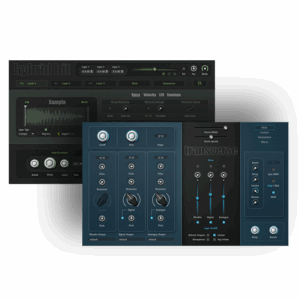
That kind of callback sharpens the rhythm and makes the mix feel more deliberate. The ear catches things it’s already heard, making any punchier moment right after feel even stronger. You don’t need to go big for impact—sometimes just getting people to notice a pattern again is punchy in itself. If you want to experiment with this using ambient rhythmic textures, GrainScaper by Sample Logic offers intuitive tools for subtle motion and textural layering.
Mix for Clarity Without Losing Power
When dealing with percussive sounds, it’s easy to overdo it. Too much room reverb, overlapping hits, or excessive EQ can actually smooth out the punch. That’s not what you want.
Instead, keep it clean. Adjust levels inside each group. For low-end stuff like taikos or gran casas, solo things out and find a headroom that makes sense before you stack. Then carve higher-range elements into their lanes with gentle EQs, cutting low-end rumble that muddies the groove.
Bussing helps here. Group your different percussion types—low drums, metals, high accents—into their own buses. It keeps sessions simple and lets you apply effects like compression and reverb in smarter ways.
Then double-check how your percussion sits around other instruments. If your drums are fighting the cello or trombone, even a well-mixed hit can feel lost. Pull up a full arrangement and ensure percussion is highlighting the core of the moment instead of stealing the scene.
Short Hits, Big Results: Getting More from Less
A well-timed accent can do more than a full loop if placed with intent. For example, a tiny reversed cymbal placed under a rising swell right before a cut gives the drop extra kick. Rim clicks during a soft string passage can remind the listener of tempo without clutter.
Quick percussive hits don’t just sit in the background—they provide glue. Light taps against silence feel louder than they are, just because of the space around them.
This makes editing more important than adding. Trim tails, mute overlaps, and leave space that helps your percussion breathe. You’ll hear more definition, and that will make each hit feel important.
If something doesn’t need to be there, pull it out and let another hit work harder. This clears the mix and sharpens your message through sound.
Keep It Tight, Make It Hit
Adding punch doesn’t mean adding more. A clean mix with contrast, smart layers, and a little rhythm memory can create impact without making your project heavier. Percussive sounds shine when they’re clear, placed with purpose, and tuned to your sound.
As you work through new arrangements or templates, try some of these ideas. They’re simple enough to test without breaking your flow, and over time, they’ll become part of how you work. The more deliberate your percussion is, the more power your music will carry.
Fresh textures, tonal kits, and hybrid drums can all help shape more personal percussive sounds, and we’ve got great options from Sample Logic here at Audio Plugin Deals.