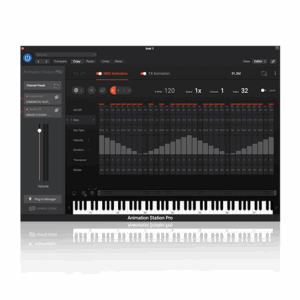
A workflow built around synths doesn’t leave much room for error. It relies on tight structure, well-shaped frequencies, and sound design that delivers quickly. But that kind of precision can make things feel too rigid after a while. That’s why we keep something warmer in the mix. Guitar plugins give us a way to bring expressiveness into a digital environment without slowing things down.
The best guitar plugins serve more than one purpose. They can carry rhythm, lay down harmonic support, or sit in the background adding feel. No cables, no mics, just soft tones that give our sessions more character. When played right, they sit surprisingly well inside dense synth arrangements, helping tracks feel more finished straight out of the gate.
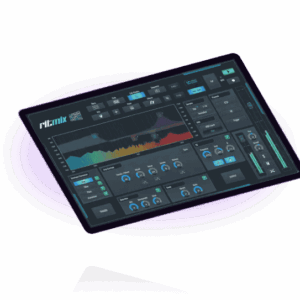
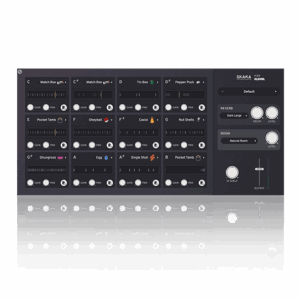
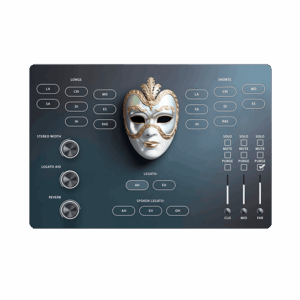
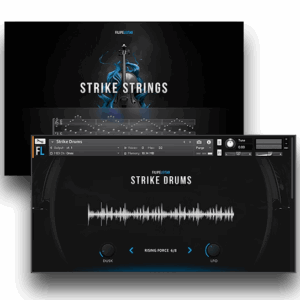
Audio Plugin Deals offers plugin bundles featuring products from Image Sounds, including a variety of electric and acoustic guitar styles, making it easy to find the perfect fit for your workflow.
Why Synth-Focused Producers Use Guitar Plugins
We lean on synths for leads, pads, and even percussive sounds, but they have limits. After a few hours of stacking similar textures, ears can get fatigued. That’s where guitar tones come in. They break the pattern, giving space to ideas that were starting to feel stuck.
- Guitars add imperfect timing and dynamics, which contrast sharply with quantized synth parts.
- They offer a hybrid of rhythm and melody without taking center stage.
- A single pluck or bend can introduce enough movement to reset a groove.
What’s nice is the range of tones available. Some plugins focus on clean electric sounds while others lean into lo-fi or washed-out textures. Acoustic tones can soften transitions or fill out midrange gaps in busy mixes. It’s not about showy solos. It’s about creating interest across a track without needing a full hardware setup.
How to Integrate Guitar Plugins Into a Synth-Based Setup
We usually start with MIDI guitar instruments. These keep things tight and repeatable, especially when we’re building loops off a grid. Since most of our workflow lives inside a DAW, it’s easy to add and automate as needed.
- MIDI-triggered guitars make switching patches and styles quick without breaking momentum.
- Soft layers under synth pads help keep arrangements from getting too sterile.
- Running guitar plugins through the same effects chains as synths can glue them together in the mix.
Some producers like to reverse the focus, using subtle guitar elements in place of pads or ambient sounds. This works especially well in beat-driven tracks or minimalist setups. A gentle guitar pulse under a bass-heavy section can lift it without needing to push volume or EQ.
Popular Guitar Plugin Types That Work Well With Synths
We tend to keep a few categories of tools loaded when working on synth-heavy tracks. The most common ones fall into three groups: amp sims, acoustic plugins, and hybrid instruments.
- Amp and pedal simulations are great for noise, wobble, and overdrive textures.
- Fingerpicked and nylon-string libraries add organic weight to heavily electronic projects.
- Looped or single-note harmonic layers help balance out aggressive synth leads.
Some of the best options lean simple. Fast access to presets and a mapped set of controls make them easier to experiment with mid-session. We rarely need plugins that do everything. Just a few that sound right and don’t fight the rest of the setup.
The Audio Plugin Deals store spotlights regularly updated deals on top-rated guitar libraries, letting you discover both classic and modern tones to shape hybrid tracks further.
Choosing the Right Tools Without Disrupting Your Flow
Time matters. We’re often jumping between ideas, loops, and exports, so the tools we use have to keep up. That’s why plugin choice isn’t just about tone. It’s about speed, layout, and how comfortably it sits next to our synth rack.
- The best guitar plugins don’t hide controls behind menus or require long setup.
- Resource efficiency is key, low CPU load makes room for other instruments to breathe.
- We look for familiar patterns like velocity mapping, drag-and-drop kits, and quick swapping.
We also pay attention to how intuitive the interfaces feel. If we’re stuck adjusting parameters before hearing sound, it’s probably not the right tool for a fast-moving synth-driven environment. In this kind of setup, everything should help move the idea forward, not slow it down.
How Hybrid Sounds Boost Creativity Year-Round
It doesn’t take much to change the direction of a track. A guitar plugin with just the right tone can give structure to a half-built idea or turn a stray loop into something we’ll use later. That’s the real value of mixing guitars with synths, it keeps our creative options open without pulling us off course.
A seasonal lull, quiet weekend, or late-night sketch session can benefit from a small shift in sound. That shift might come from a simple ambient pluck or detuned strum layered underneath something more digital. These small textures feel different, which keeps us engaged with what we’re building.
We don’t need to ditch synths or change how we work. It’s more about picking tools that support the whole process. The goal isn’t to sound acoustic, it’s to add just enough tension, human sense, or nuance to give a track more meaning. The best guitar plugins fit right into that idea and make room for more than just electronic sounds.
Add Guitar Expression to Your Digital Workflow
Bring authentic guitar textures into your synth-based setup with our plugin collection at Audio Plugin Deals. We offer tools that balance tone, CPU load, and creative flexibility so you never have to compromise. From clean layers to ambient strums, great tone is just a click away. Check out some of the best guitar plugins we’ve featured from Image Sounds, and let us know if you have questions or want help choosing the right one.