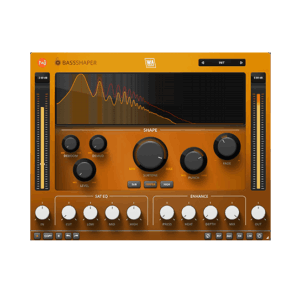
A clean low end can do wonders for a track, but once the mix gets crowded, it’s easy for the bass to lose its shape. Mud builds up fast when sounds compete for the same space. That’s where ample bass plugins often make the difference.
Instead of overwhelming the low end, they support it with control and texture. We’ve noticed how well they manage brightness, attack, and sustain without stealing room from kicks or subs. Let’s take a closer look at how these plugins keep the bass strong without letting the mix fall apart.
Why Mud Happens in Low-End Mixing
When bass gets muddy, it becomes hard to tell what’s playing and when. The low end just blends into a blur. That usually comes down to three main issues:
- When the bass and kick drum occupy the same frequency space, their overlap clouds the groove.
- A long bass note or too much sustain can make each hit roll into the next instead of forming tight rhythms.
- Some mixes rely too heavily on reverb or stack sounds without using EQ to clean up the overlap. Reverb on bass, especially, can leave a thick haze.
Without proper space, elements step on each other and lose definition. The solution starts with choosing a source that doesn’t cause more problems than it solves.
Take a Listen To Ample Bass
Ample Bass is designed to let you shape both tone and feel across your range. They’re sampled from real bass guitars: fingered, picked, slapped, and include layers that respond to both velocity and timing.
- Multi-sample triggers allow us to dial in attack and body separately, which keeps rhythms from sounding too soft or too harsh.
- Most Ample Bass instruments build in round-robin variations to prevent the robotic tone that makes software bass feel fake.
- Many of the models include amp cabinet setups or raw DI lines. That lets us choose fullness or snap based on the needs of the mix.
For example, this plugin keeps the low end clear with consistent transients and a flexible EQ curve. When we use it with dense arrangements, it still holds its space. The way it responds across dynamics helps control boominess before it becomes a problem.
Matching Ample Bass Settings to Genre and Groove
A bassline that sounds huge in one track can fall flat in another without the right settings. That’s where tone, playing style, and plugin tweaks come into play.
- Picked tones usually suit rock or funk because of their punchy, forward nature. Smoother styles, like fretless or fingered bass, work better in jazz or cinematic scenes. They sit lower and blend without creating sharp transients.
- Adding effects like chorus or delay can help give space to the bass, but it only works if they follow the rhythm. We always set effects to the song’s tempo to avoid smearing the low end.
- Adjusting release times and attack curves helps match the timing of our drums. Too long a release and the bass rolls over the next note. Too short, and it feels stuttered.
Sometimes we’ll revisit the performance after adjusting plugin settings, making small edits to note lengths or velocities.
EQ and Processing That Support the Plugin
Even the best bass plugin won’t mix itself. A few supporting steps help give ample bass plugins the space they deserve.
- High-pass filtering other instruments lets us carve out room for the bass without cutting its body. Guitars and pads are usually the first place to start trimming.
- Sidechaining bass to the kick, only slightly, makes both punch through. We use modest settings so it doesn’t sound like the bass is ducking out completely.
- Subtractive EQ in the low mids removes mush. We try not to boost unless absolutely needed. Often, just taking a few dB out from problem ranges makes everything feel tighter.
Sometimes more than one bass sound is used in a track. Maybe you want a sub layer under a fingered electric bass. If so, it helps to separate their ranges so they don’t get in each other’s way.
Using gentle EQ cuts or low-pass filters, you can let one sound own the deep sub and another fill in the upper midrange character.
Low-End Clarity Comes From Control
There’s no shortcut to good low end, but when a plugin gives us the right tone at the source, it saves time chasing fixes later.
Ready to transform your mixes with tighter, punchier basslines? Discover how ample bass plugins can bring a new level of clarity and control to your low-end frequencies, letting you focus on creativity.
At Audio Plugin Deals, we offer solutions to enhance your workflow and elevate your next production. Don’t let muddy mixes hold you back—unlock the potential of your sound today!